
Trades Insurance
Protecting Tools and Equipment from Theft
23 February 2026
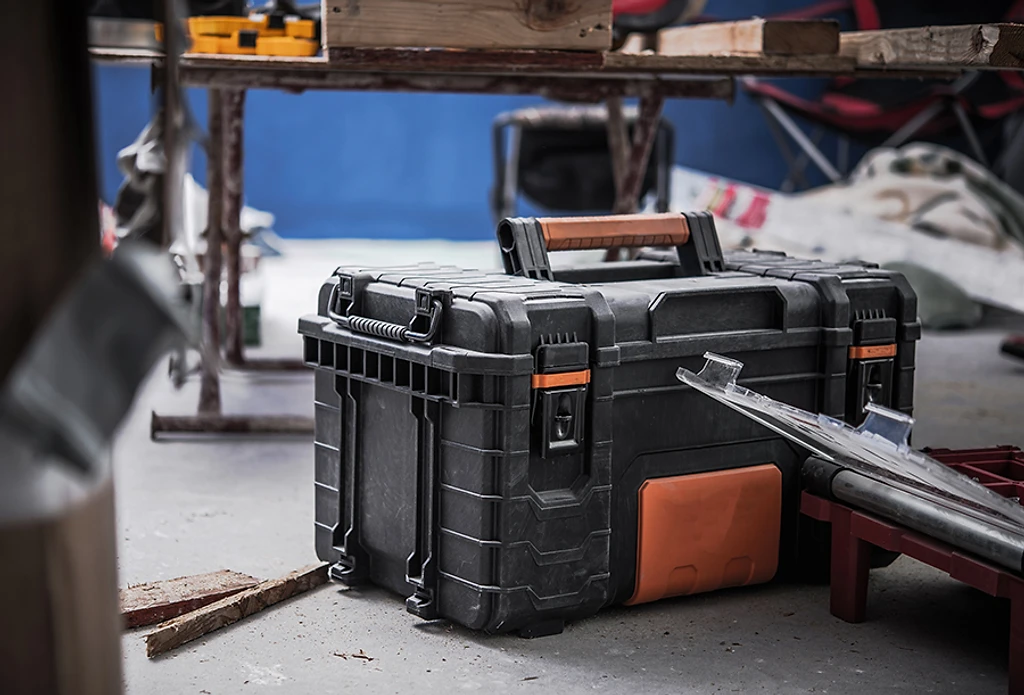
Tool theft is one of the most common and disruptive claims for tradies, and it often happens quickly and without warning. Thieves target tools because they are valuable, easy to move and easy to sell, and a single incident can leave you unable to work until items are replaced. Beyond the direct replacement cost, you may also face lost income, project delays and out‑of‑pocket expenses if you are not adequately insured.
Tool insurance is designed to help cover theft, accidental damage and loss of your portable tools and equipment, subject to the policy wording. Cover can often extend to items stored in locked vehicles, on job sites or at your business premises, provided reasonable security measures are in place. It is important to understand any conditions around forced entry, overnight storage and maximum limits per item, so you know how your policy would respond if the worst happens.
Insurers also expect tradies to take sensible steps to prevent theft. Practical measures such as locking tools in secure boxes, installing alarms or GPS on work vehicles, engraving or marking tools, keeping an up‑to‑date tool register and storing high‑value items out of sight can reduce the likelihood of a claim and support your position if a loss occurs. Keeping receipts and photos of your tools will help streamline the claims process and demonstrate ownership and value.
Because tool values and setups change over time, it is wise to review your sums insured regularly. Adding new power tools, specialised equipment or technology can quickly increase the total replacement cost, and underinsuring these items may lead to reduced claim payments. Working with a broker to update your schedule and discuss any changes in how and where you store tools can help keep your cover appropriate and give you greater confidence that you can get back on the tools quickly after a theft.
General information
This information is general in nature and does not take into account your individual objectives, financial situation or needs. Insurance cover is subject to insurer acceptance and the terms, conditions, limits, excesses and exclusions of the relevant policy. Consider the relevant policy wording and Product Disclosure Statement, where applicable, and obtain advice appropriate to your circumstances before making a decision.
Discuss your insurance needs
For a conversation about your own circumstances, contact EIB Melbourne.